Breathing gases play a vital role in numerous applications, ranging from medical life support systems to industrial safety and diving operations. Gas purity and safety are paramount for all breathing gases and mixtures because even the smallest contamination can have serious consequences.
Levels of trace moisture are one of the most critical factors that influence the suitability of gases to be used as breathable or medical air. Monitoring and controlling moisture levels through accurate dew point measurement in breathing gases is essential for ensuring compliance, protecting equipment, and safeguarding user health.
Understanding Breathing Gases
and Their Applications
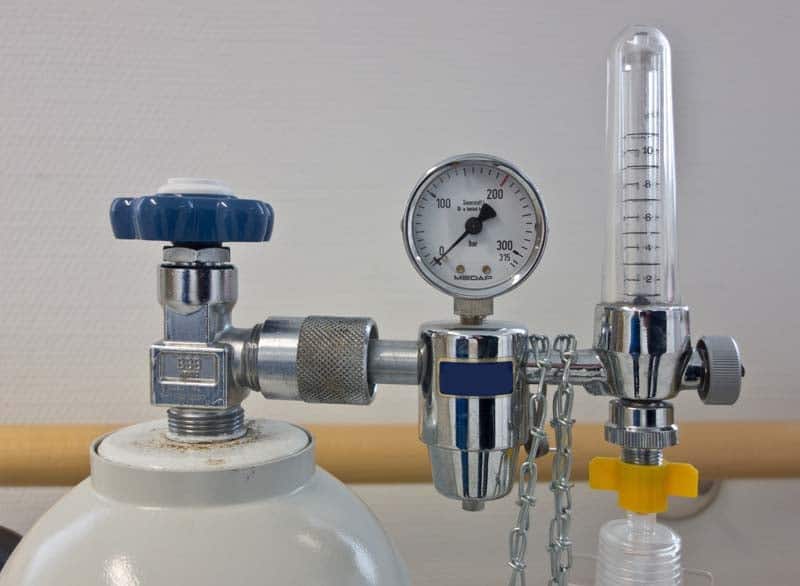
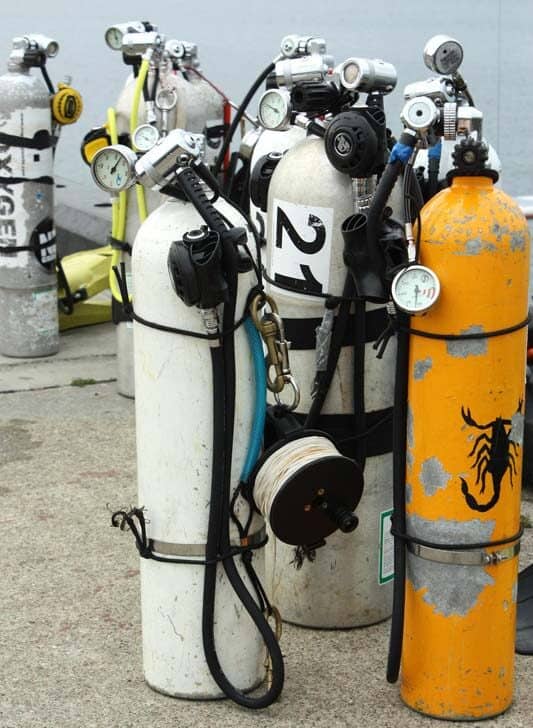
Breathing gases refer to any gas mixture intended for inhalation. These include medical air, oxygen (O₂), nitrous oxide (N₂O), and specialized mixtures such as Heliox. They are delivered through pipelines or cylinders in environments where reliability and safety cannot be compromised. Hospitals, ambulances, and aircraft rely on supplementary oxygen systems, while ventilators provide respiratory support during anaesthesia or critical care. In addition, hyperbaric chambers and SCUBA diving operations depend on breathing gases for life support under extreme conditions.
To guarantee safety, these gases must meet stringent purity and safety standards. International regulations such as ISO 7396-1 / BS EN 7396-1 for medical gas pipeline systems, ISO 18562 for biocompatibility of gas pathways, the European Pharmacopoeia, CGA/ANSI G-7.1, and OSHA 1910.134 define strict requirements for gas composition and delivery systems. Compliance with these standards ensures that breathing gases remain free from contaminants and defines the requirements of breathable gases.
Why Moisture Is a Problem in Breathing Gas Systems
Even trace amounts of moisture can introduce significant risks. When water vapor enters a breathing gas supply, it can condense on internal surfaces, leading to corrosion of cylinders, pipelines, and valves. This corrosion compromises the integrity of the equipment and shortens its operational lifespan. Moisture also creates an environment conducive to microbial growth, allowing bacteria and mould to proliferate inside gas lines—a serious health hazard for patients and operators alike.
Beyond corrosion and microbial contamination, moisture can degrade gas quality by reacting with other components, forming impurities that affect performance. In cold environments, water vapor may freeze within regulators or delivery systems, obstructing gas flow and causing dangerous interruptions. For patients with respiratory conditions, excess moisture can irritate airways and exacerbate existing health issues. These risks underscore why moisture control is not optional but a fundamental requirement in breathing gas management.
The Role of Dew Point Measurement in Breathing Gases
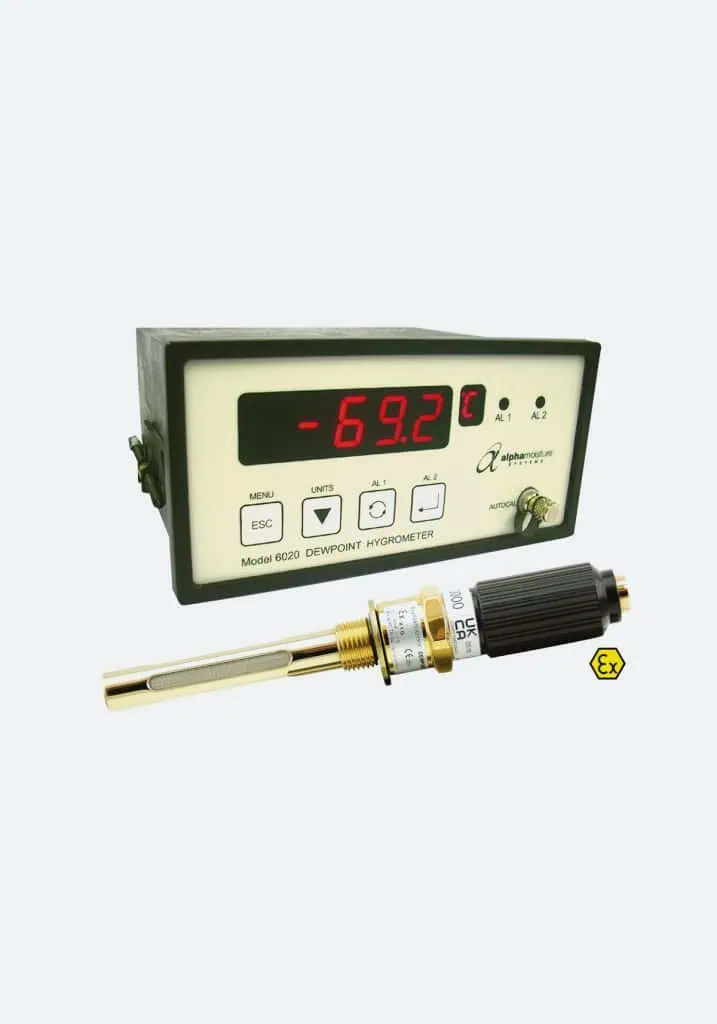
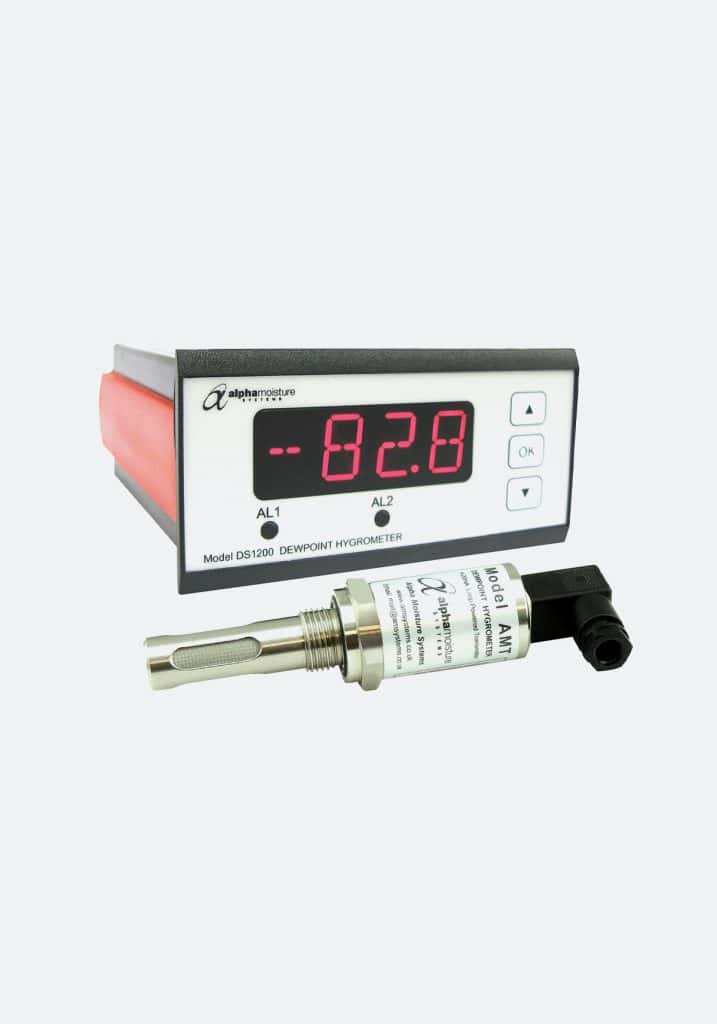
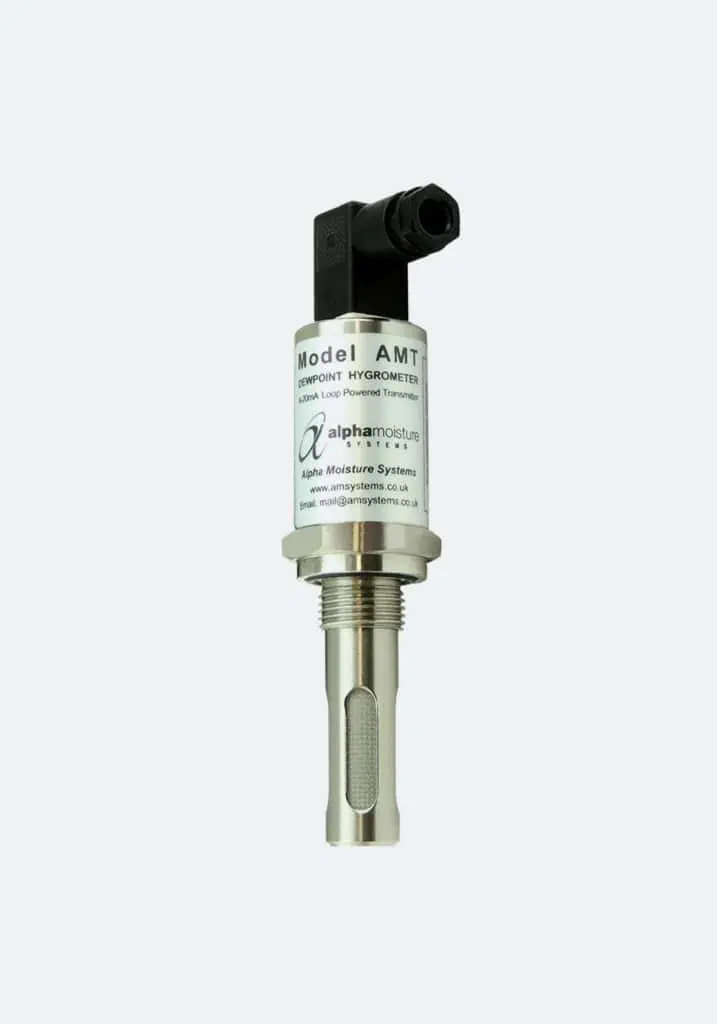
To mitigate these risks, continuous monitoring of moisture levels is essential. Dew point measurement provides a reliable method for assessing dryness and ensuring compliance with international standards. Online dew point sensors are commonly installed in medical air pipelines or sampling lines, offering real-time data and alarms when moisture exceeds safe limits. These sensors typically measure within a range of –40 °C to –70 °C dew point, which aligns with medical air specifications.
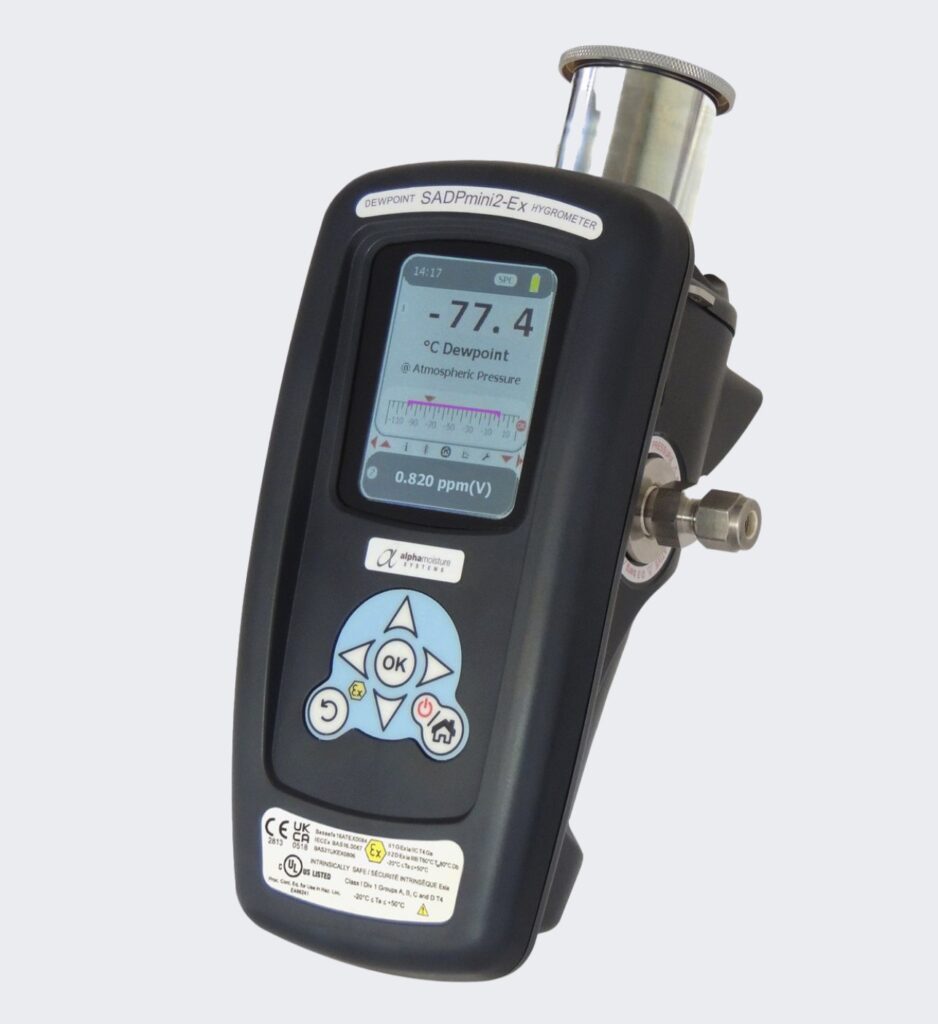
Portable dew point meters complement these systems by enabling spot checks at various points in the supply chain. They are particularly useful during commissioning, maintenance, and audits, providing fast response times and data logging capabilities. Together, these solutions form a comprehensive strategy for maintaining gas purity and system integrity.
Standards Governing Moisture Control
Several authoritative standards define acceptable moisture levels in breathing gases. The European Pharmacopoeia specifies a maximum allowable moisture concentration of 67 parts per million by volume, equivalent to a dew point of approximately –46 °C. In the United Kingdom, the Health Technical Memorandum HTM02 recommends continuous monitoring of medical gas supplies for dew point or moisture content. Additional standards, including ISO 7396-1, BS EN 7396-1, OSHA, CGA G-7.1, and NFPA 99, reinforce these requirements across different regions and applications.
Trace moisture measurement is a cornerstone of breathing gas safety. By implementing robust dew point monitoring systems and adhering to international standards, healthcare providers and industrial operators can prevent equipment damage, reduce health risks, and maintain regulatory compliance. Ultimately, controlling moisture ensures reliable gas delivery, protects patients, and upholds the integrity of critical life-support systems.
Application Notes