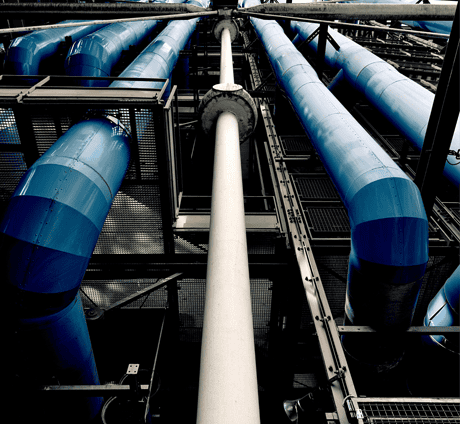
Air Separation Units (ASUs) produce high-purity gases such as oxygen, nitrogen, and argon from air. Accurate dewpoint measurement plays a vital role in ensuring the efficiency, safety, and reliability of these units. This article outlines the significance of dewpoint monitoring in ASUs, common moisture-related challenges, practical solutions, and references to key standards.
Understanding ASUs:
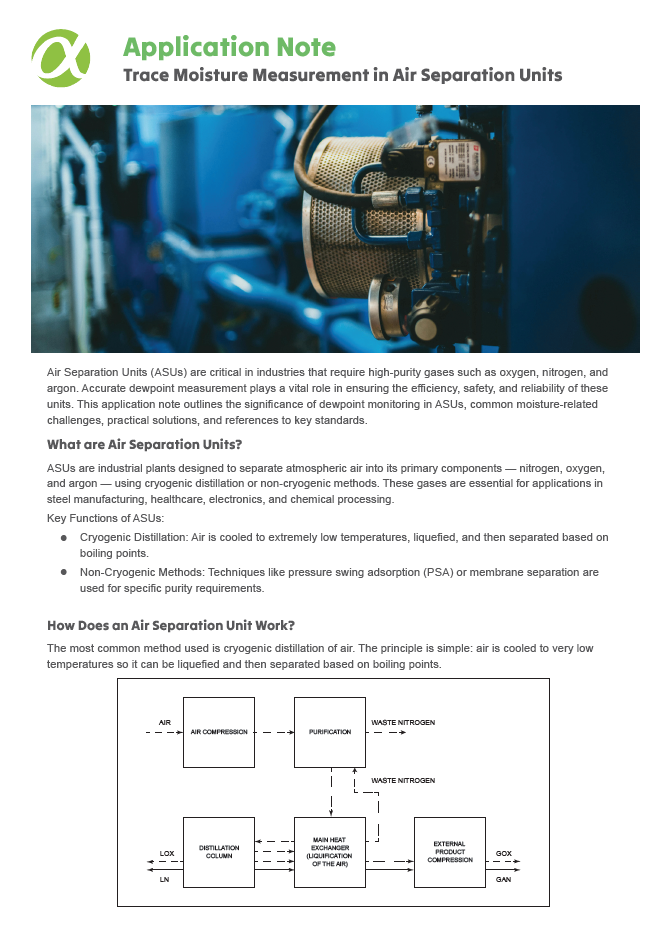
ASUs are industrial plants designed to separate atmospheric air into its primary components—nitrogen, oxygen, and argon—using cryogenic distillation or non-cryogenic methods. These gases are essential for applications in steel manufacturing, healthcare, electronics, and chemical processing.
Cryogenic distillation is the most common method, where air is cooled to extremely low temperatures, liquefied, and then separated based on boiling points. Non-cryogenic techniques such as pressure swing adsorption (PSA) or membrane separation are also used for specific purity requirements.
Why Moisture Measurement Matters
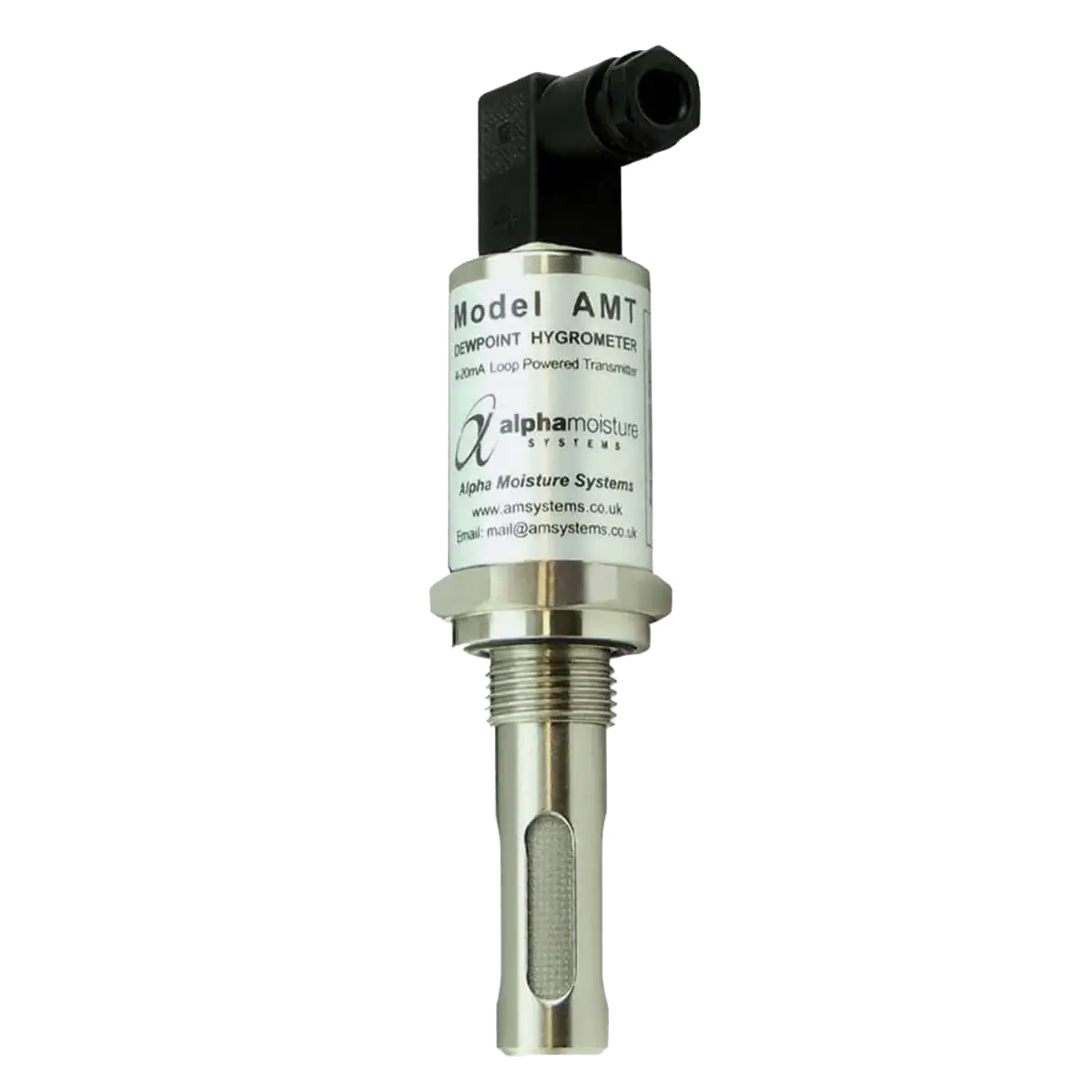
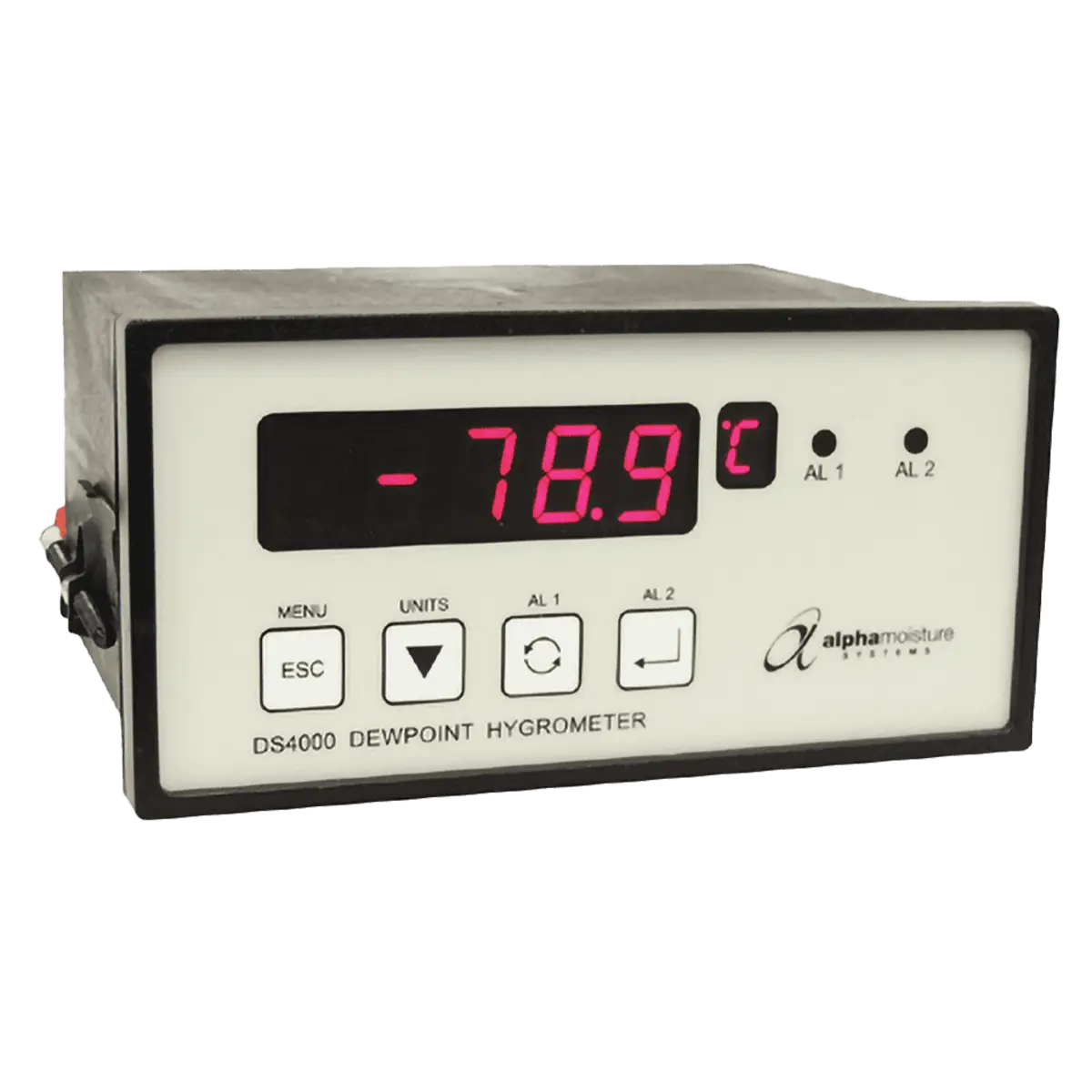
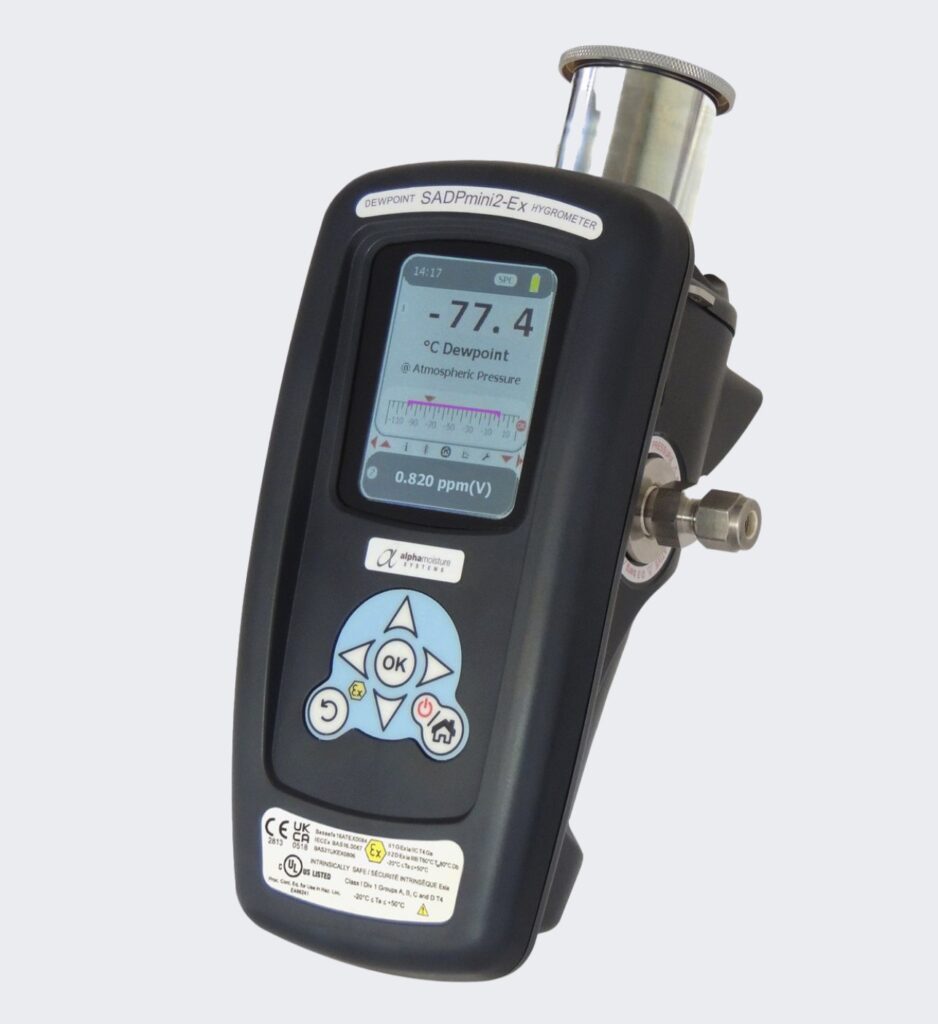
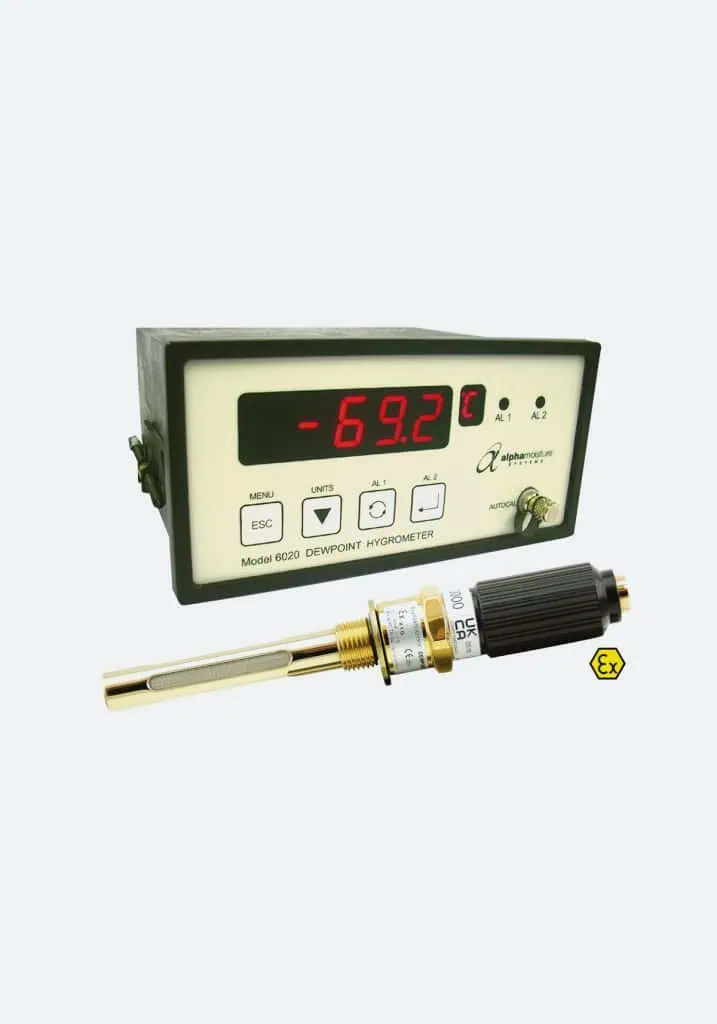
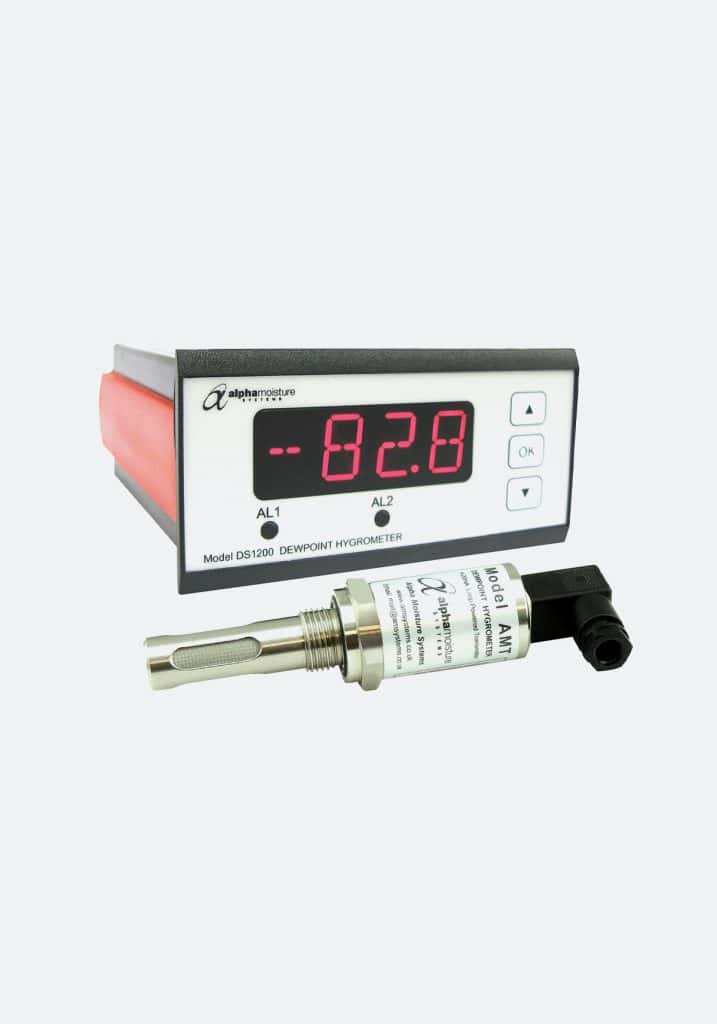
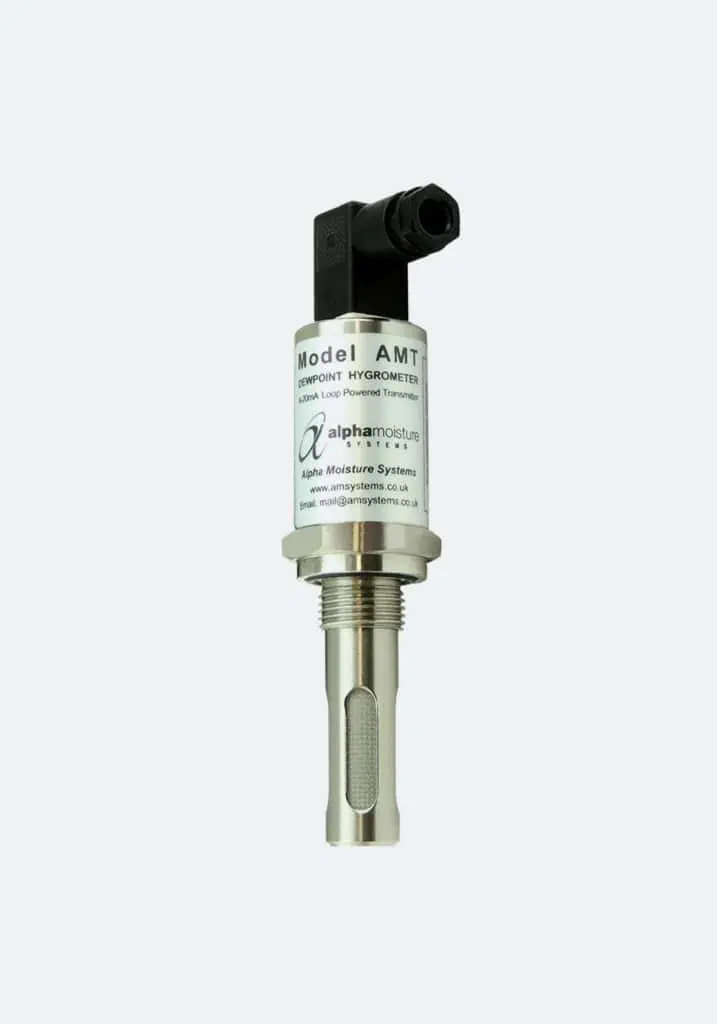
Solutions for Trace Moisture Measurement
Regular calibration is necessary to maintain accuracy, and online displays with alarm systems should be integrated to alert operators when dewpoint thresholds are exceeded. These measures ensure reliable operation and help prevent costly failures.