Sulfur hexafluoride (SF₆) is an insulating and arc-quenching gas in high-voltage electrical equipment, where its exceptional dielectric strength and thermal stability make it indispensable for switchgear, circuit breakers, transformers, and busbars. However, the integrity of SF₆ systems depends on stringent control of gas purity, particularly when it comes to trace moisture levels, as even minimal water vapour ingress can compromise insulation performance and accelerate equipment degradation.
Moisture contamination in SF₆ reduces dielectric strength, increasing the risk of electrical breakdown under high-voltage stress. It also promotes corrosion through the formation of aggressive byproducts such as hydrogen fluoride (HF), during electrical arcing. These effects can lead to operational failures, shortened equipment life and costly outages in critical power infrastructure.
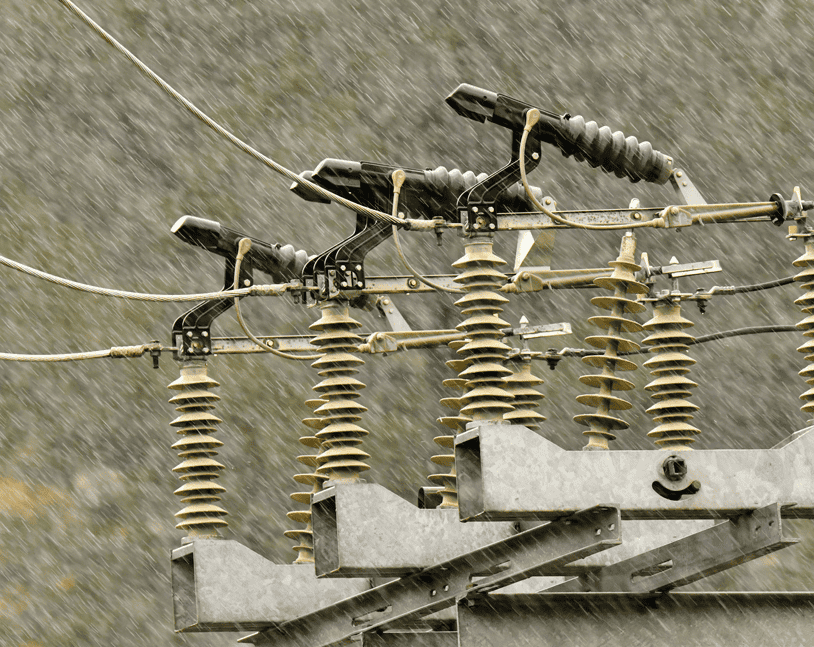
Gas-insulated switchgear (GIS) and circuit breakers rely on SF₆ not only for insulation but also for rapid arc quenching during fault interruption. When a breaker opens, a pressurised blast of SF₆ cools the arc and absorbs free electrons, restoring dielectric strength. In ideal conditions, the reactive byproducts and atoms then recombine to restore the original SF6 gas; this “self-healing” facilitates repeated use. This performance advantage allows GIS installations to occupy up to 90% less space than air-insulated alternatives, a key benefit in urban substations and space-constrained environments. Maintaining this reliability, however, demands a dry, inert gas environment free from moisture ingress.
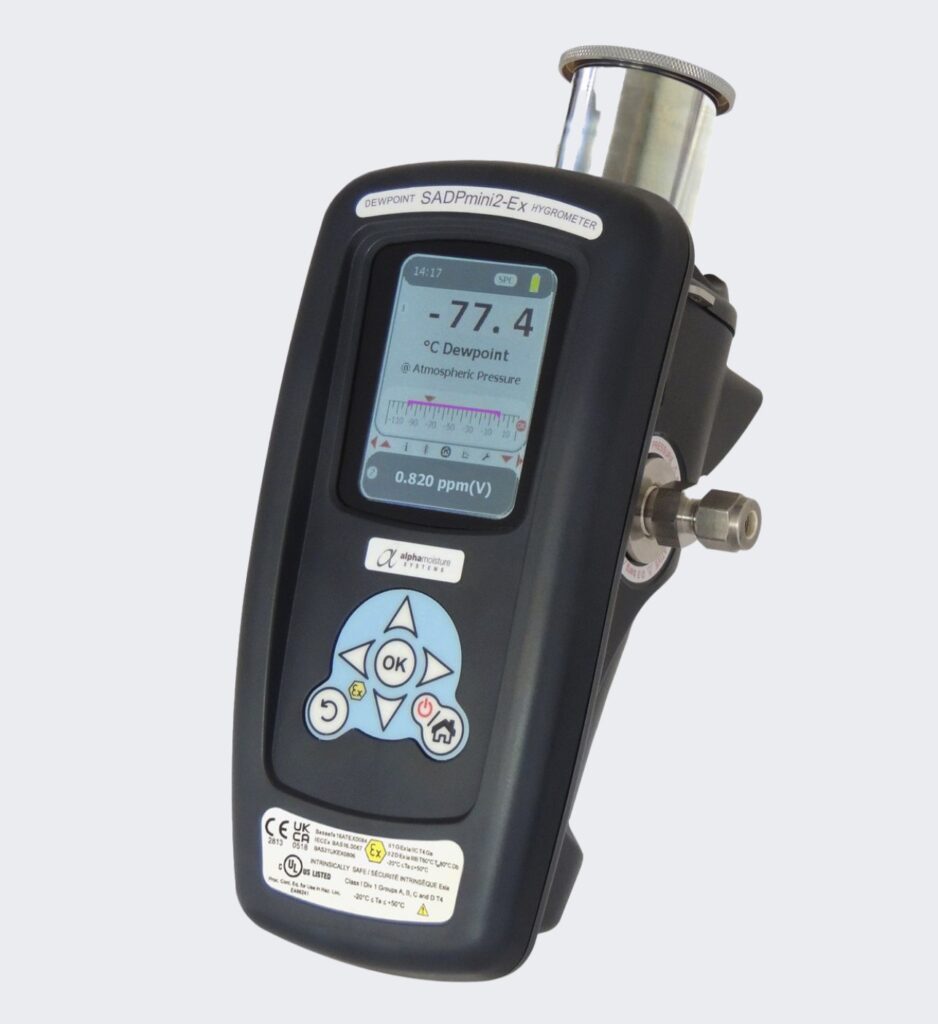
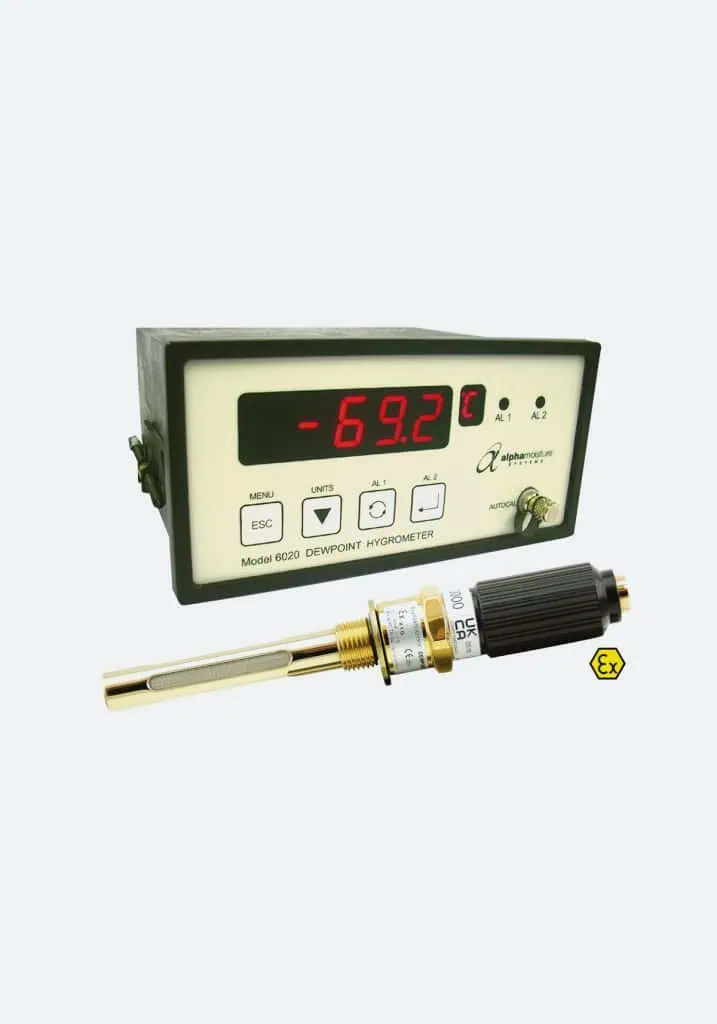
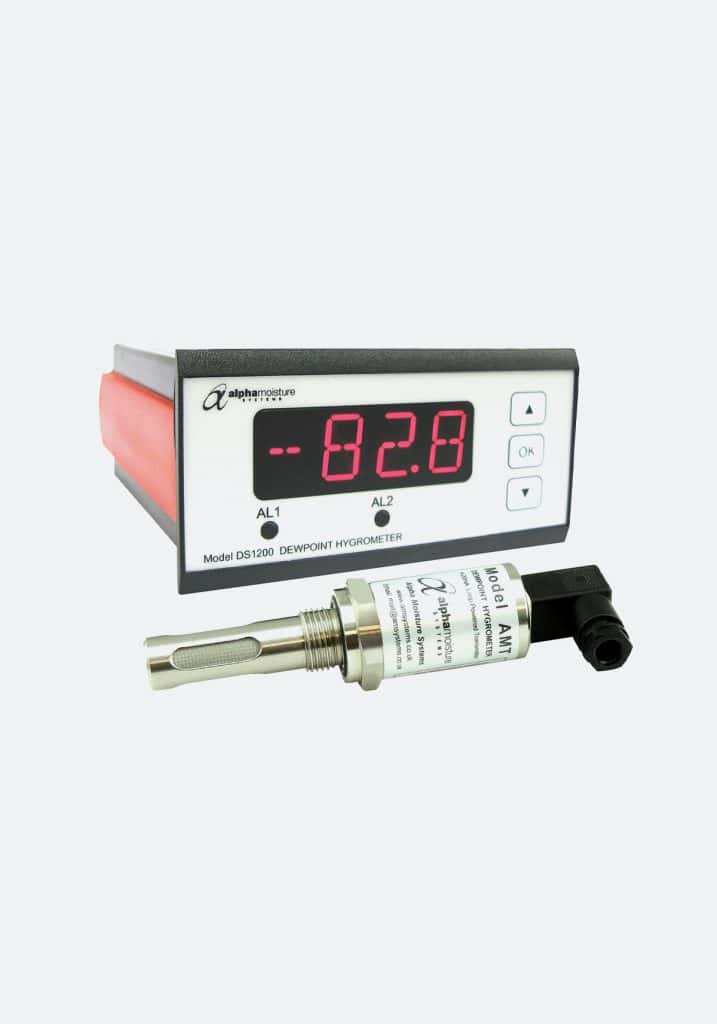
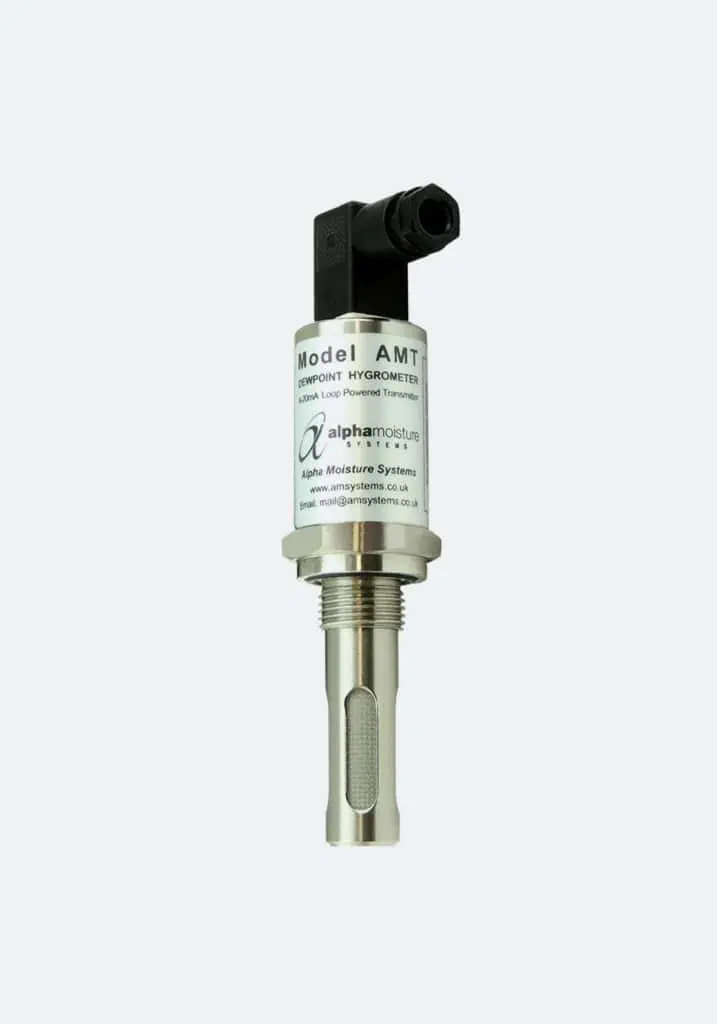
To mitigate moisture-related risks, trace moisture measurement strategies must be implemented across the SF₆ lifecycle. Portable dew point meters provide periodic verification during filling and maintenance, while online moisture analysers deliver continuous, real-time monitoring of water vapour content within live systems. Gas sampling supports compliance checks and detailed diagnostics. Aluminium oxide sensor technology offers rapid response and low maintenance, enabling early detection of trace moisture in SF6 before it escalates into costly failures.
Compliance measures include rigorous leak prevention, controlled gas handling procedures and adherence to international standards such as IEC 60376 for technical grade SF₆, IEC 60480 for reuse and handling guidelines, and IEEE C37.122.3 for monitoring protocols in switchgear. These frameworks define acceptable moisture limits and validation practices essential for ensuring system reliability and safety.
Incorporating trace moisture measurement throughout SF₆ gas management is indispensable for preventing dielectric breakdown, corrosion and toxic byproduct formation. Robust measurement and monitoring practices safeguard equipment integrity, extend service life and ensure compliance with global standards—critical for maintaining the reliability of modern power transmission and distribution networks.