Trace Moisture Measurement in SF6 Gas
Application Note
Sulfur hexafluoride (SF₆) is a critical insulating and arc-quenching gas widely used in high-voltage electrical equipment. Ensuring the purity of SF₆, especially controlling trace moisture levels, is essential for safe and reliable operation. This application note highlights the significance of trace moisture measurement in SF₆ gas, common moisture-related issues, effective solutions, and references to key standards.
What is SF6 gas?
SF₆ is a colorless, odorless, non-flammable gas with exceptional dielectric properties. Its high electronegativity and thermal stability make it ideal for use in:
- Gas-insulated switchgear (GIS)
- Circuit breakers
- Cables and busbars
SF₆’s ability to withstand high voltages and suppress electrical arcs has made it indispensable in modern power transmission and distribution systems.
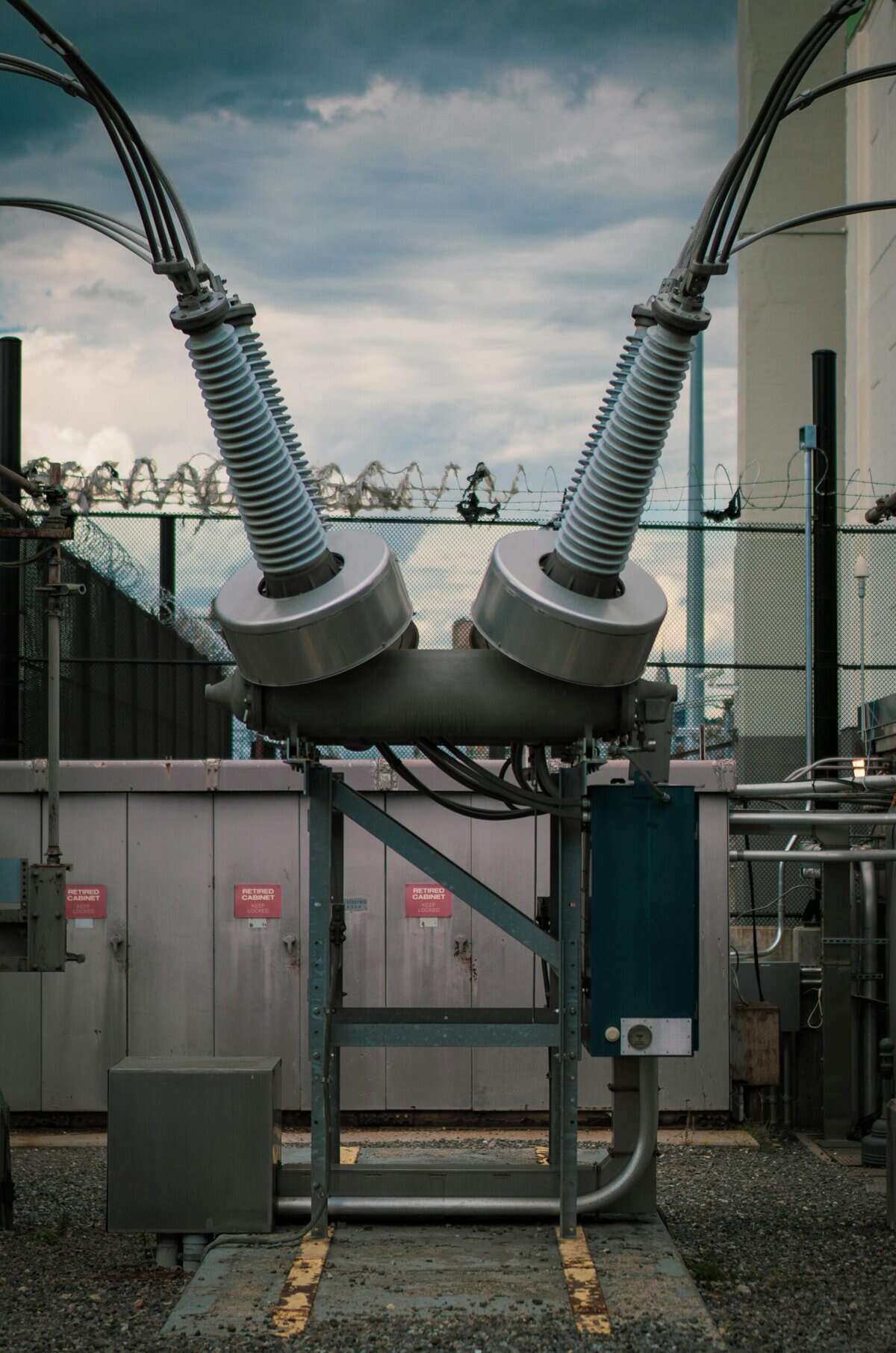
The roles of SF6 in gas-insulated switchgear (GIS)
SF₆ gas is used in cables and busbars as a high-performance electrical insulator and arc quencher in gas-insulated switchgear (GIS). It allows for more compact equipment designs compared to air-insulated systems because its superior dielectric strength enables conductors to be placed closer together. In circuit breakers, SF₆ gas is also used to instantly extinguish the arc that forms when a circuit is opened.
As an electrical insulator
High dielectric strength
SF₆ has a much higher dielectric strength than air, meaning it can withstand higher voltages before an arc forms, allowing for smaller clearances between live parts and grounded components.
SF₆ has a much higher dielectric strength than air, meaning it can withstand higher voltages before an arc forms, allowing for smaller clearances between live parts and grounded components.
Protection
This insulation is crucial in medium and high-voltage switchgear, protecting the live parts and preventing electrical arcing in normal operation.
This insulation is crucial in medium and high-voltage switchgear, protecting the live parts and preventing electrical arcing in normal operation.
As an arc quencher
Arc interruption
When a circuit breaker opens to interrupt a fault, an electrical arc is created.
When a circuit breaker opens to interrupt a fault, an electrical arc is created.
Quenching Process
A blast of pressurized SF₆ gas is directed over the arc, which rapidly cools it and absorbs free electrons, increasing the gas’s dielectric strength to extinguish the arc.
A blast of pressurized SF₆ gas is directed over the arc, which rapidly cools it and absorbs free electrons, increasing the gas’s dielectric strength to extinguish the arc.
Self-healing property
After quenching the arc, the SF₆ gas molecules can “self-heal” by recombining, which is a key feature for its repeated use in switchgear.
After quenching the arc, the SF₆ gas molecules can “self-heal” by recombining, which is a key feature for its repeated use in switchgear.
The benefits of SF6 gas
in cables & busbars
Compact designs
The superior insulating properties allow for gas-insulated substations that are significantly smaller (about one-tenth the size) than conventional air-insulated ones, which is especially beneficial in areas with limited space.
The superior insulating properties allow for gas-insulated substations that are significantly smaller (about one-tenth the size) than conventional air-insulated ones, which is especially beneficial in areas with limited space.
Reliability
The dry, inert gas environment protects internal components from moisture, dust, and UV radiation, leading to a longer equipment life and less frequent maintenance requirements for internal components.
The dry, inert gas environment protects internal components from moisture, dust, and UV radiation, leading to a longer equipment life and less frequent maintenance requirements for internal components.
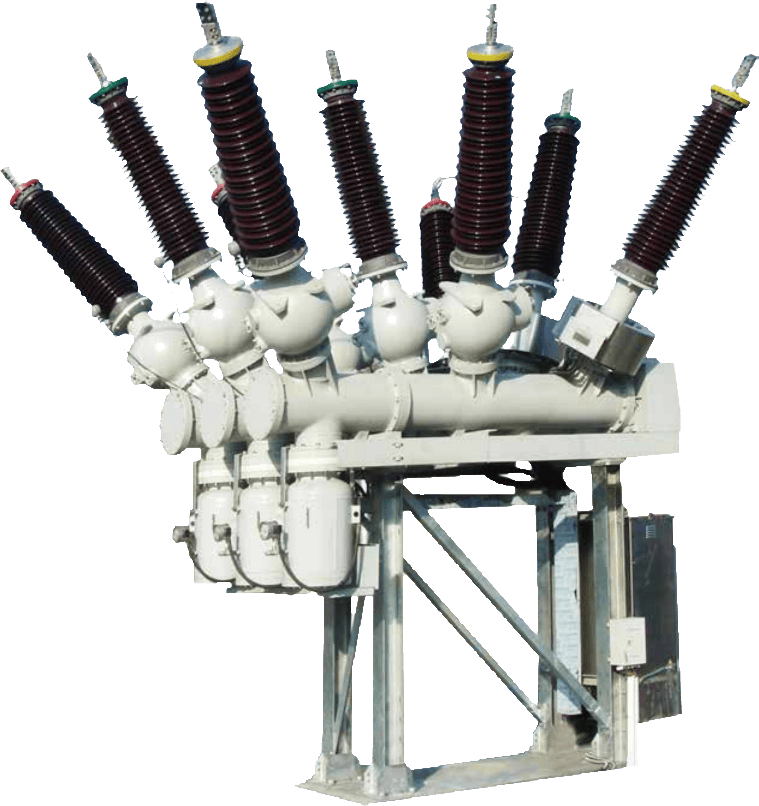
Moisture problems in SF6 gas
Despite its stability, moisture contamination in SF₆ can lead to several critical issues:
- Reduced dielectric strength: Water vapor lowers SF₆’s insulating properties, increasing the risk of electrical breakdown.
- Corrosion: Moisture reacts with SF₆ and metal surfaces, forming corrosive byproducts such as hydrogen fluoride (HF), which can damage equipment.
- Formation of toxic compounds: Moisture can facilitate the generation of hazardous substances during electrical arcing.
- Operational failures: High moisture levels may cause malfunctions, reduced equipment lifespan, and costly outages.
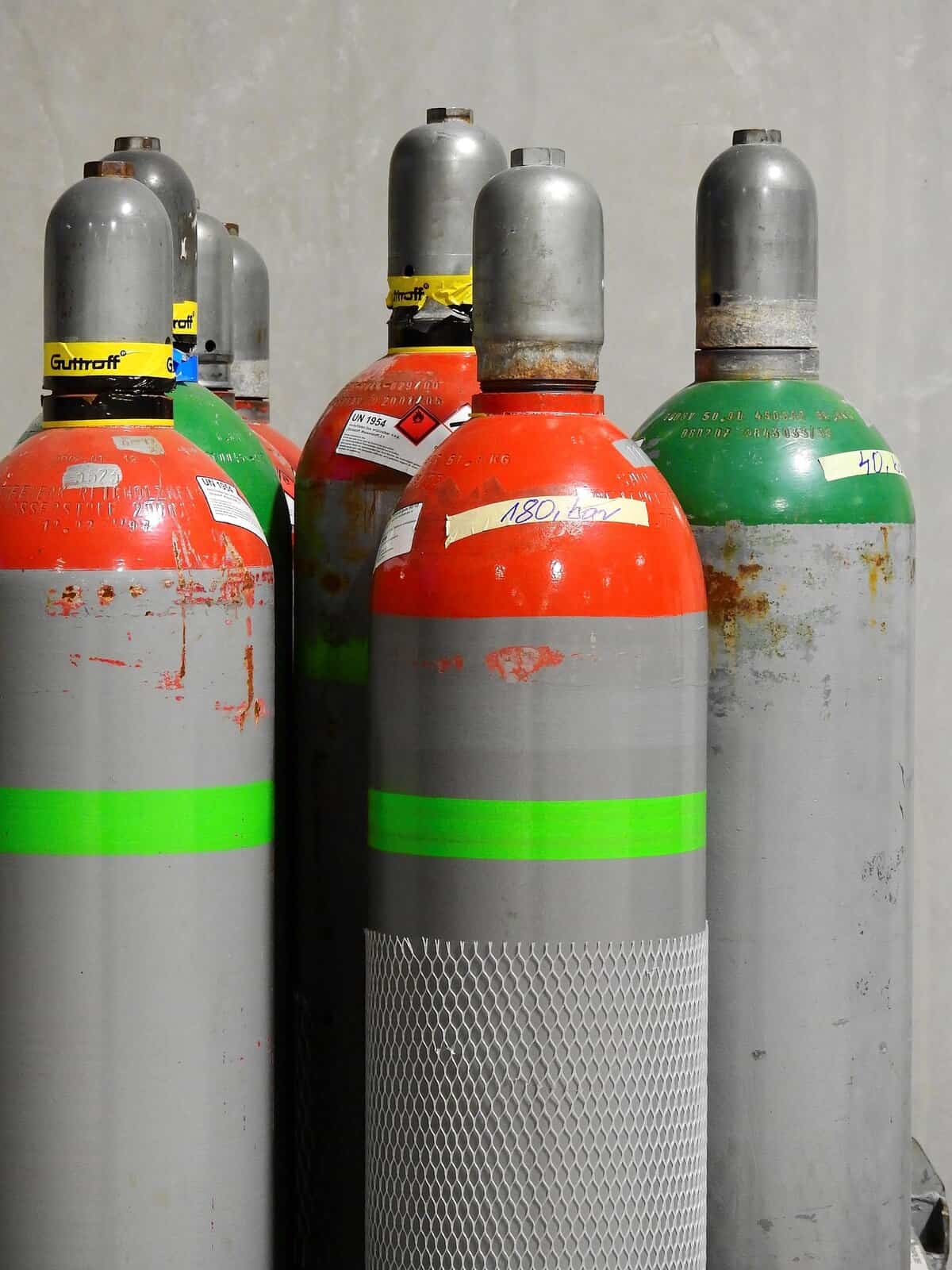
Trace moisture measurement solutions
Accurate trace moisture measurement is vital for maintaining SF₆ gas quality.
Key approaches include:
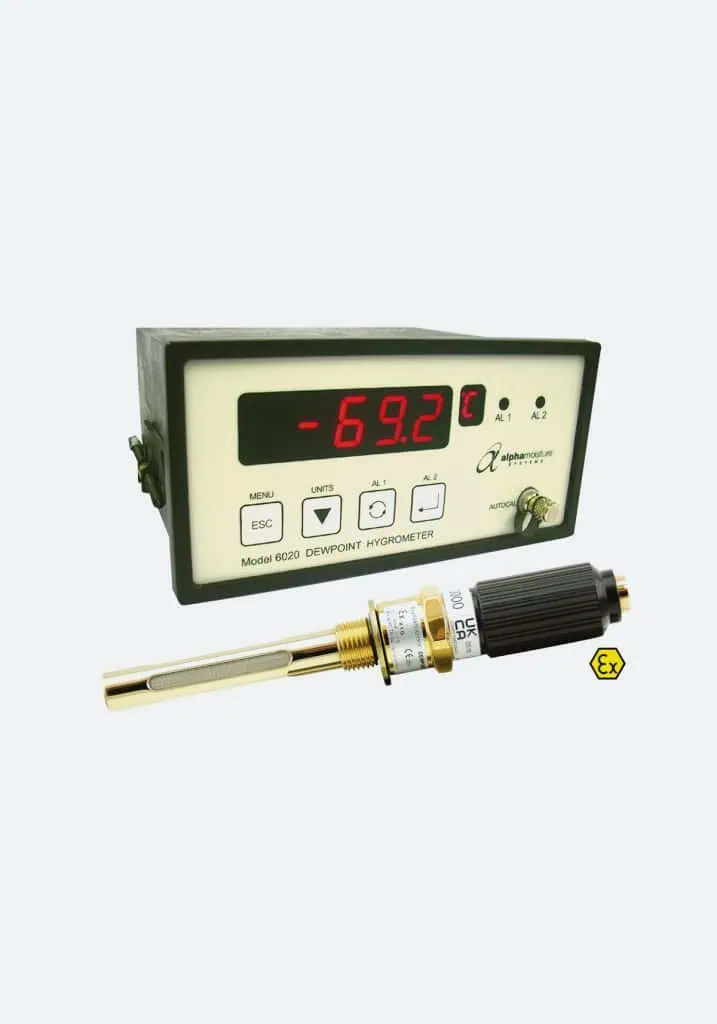
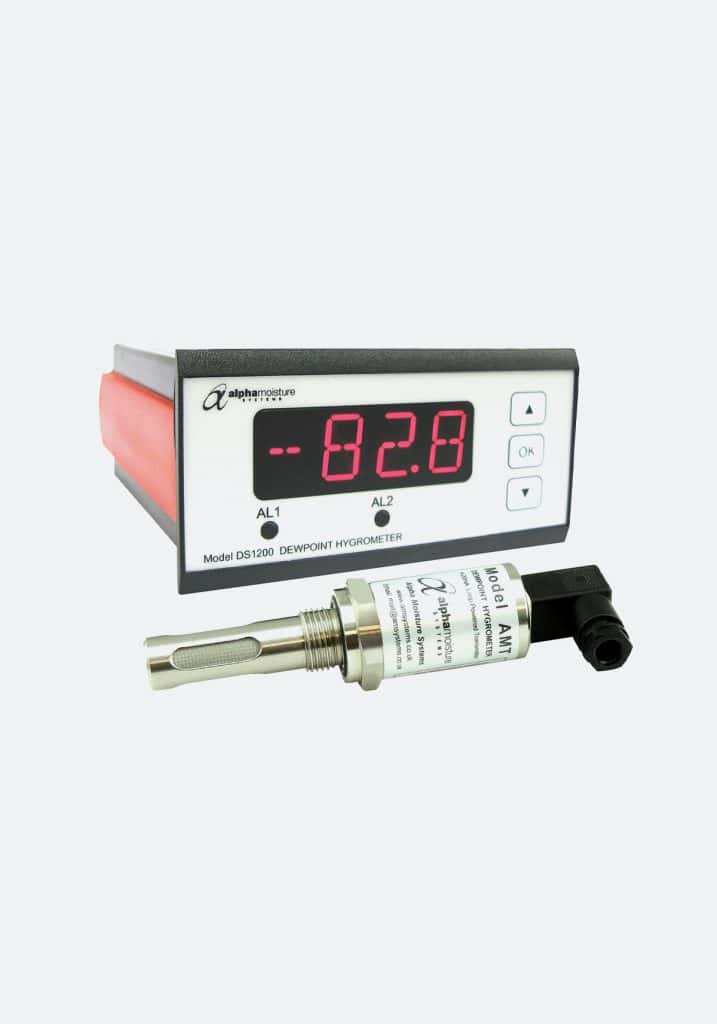
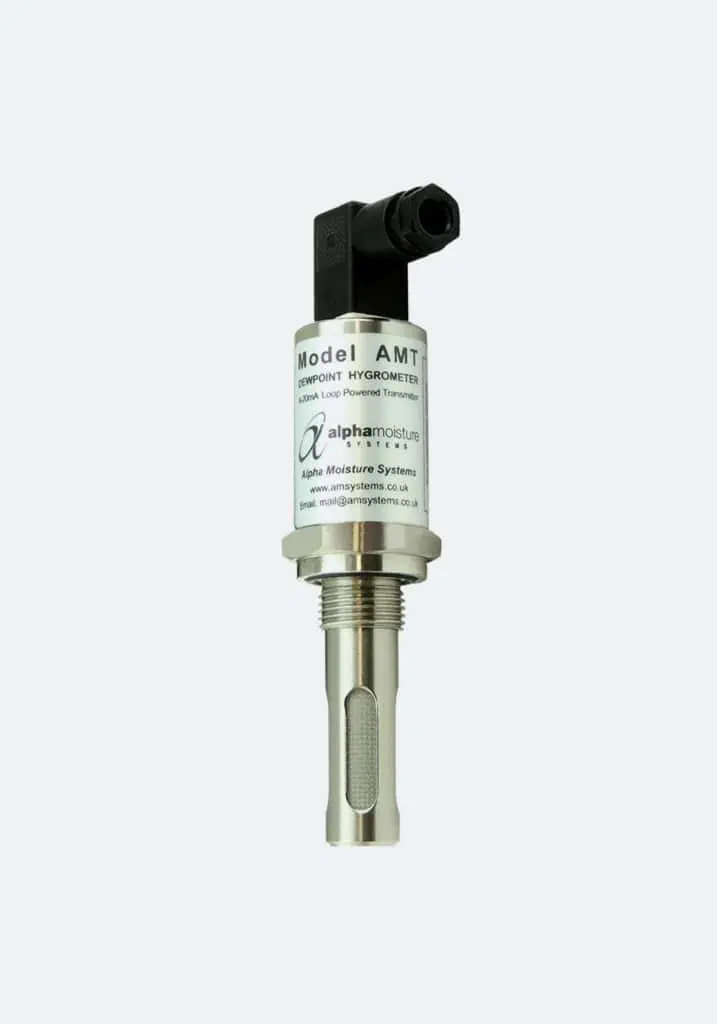
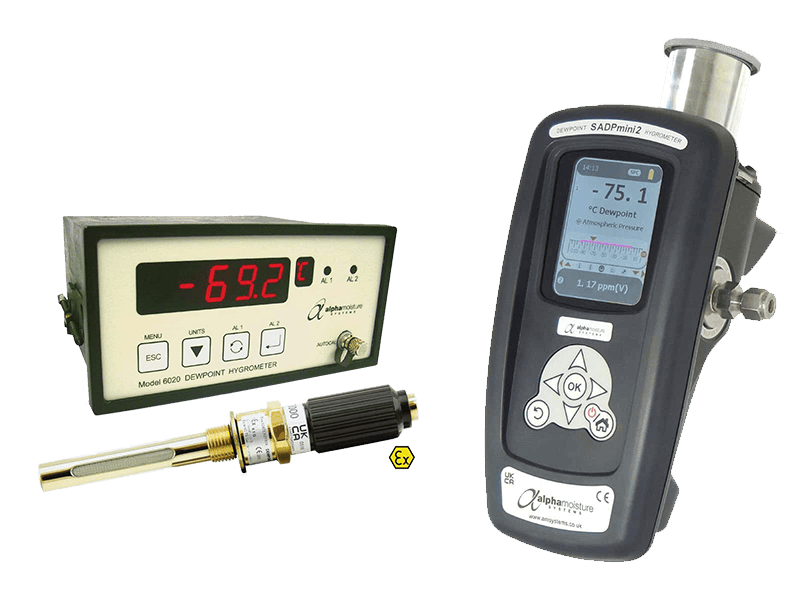
- Online trace moisture analysers:
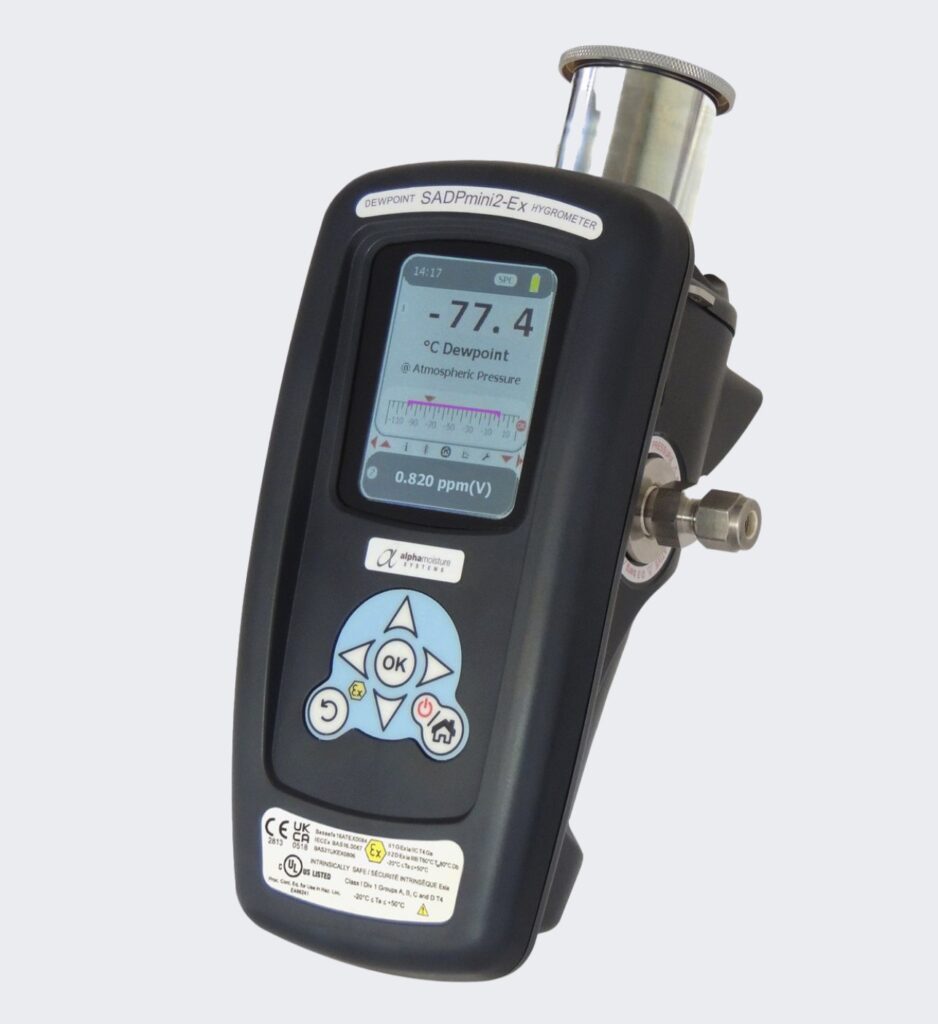
Provide real-time monitoring of water vapor content in SF₆. - Portable dew point meters:
Allow periodic checks during filling and maintenance. - Gas sampling and laboratory analysis:
For detailed assessment and compliance verification.
Reference standards
To ensure safety and reliability, adhere to the following standards:
IEC 60376: Specification of technical grade SF₆ for use in electrical equipment.
IEC 60480: Guidelines for the reuse of SF₆ and its handling.
IEEE C37.122.3: Standard for SF₆ gas monitoring and handling in switchgear.
In conclusion, trace moisture measurement in SF₆ gas is essential for safeguarding electrical equipment, preventing failures, and complying with international standards. Implementing robust monitoring solutions ensures the long-term reliability and safety of power systems.